










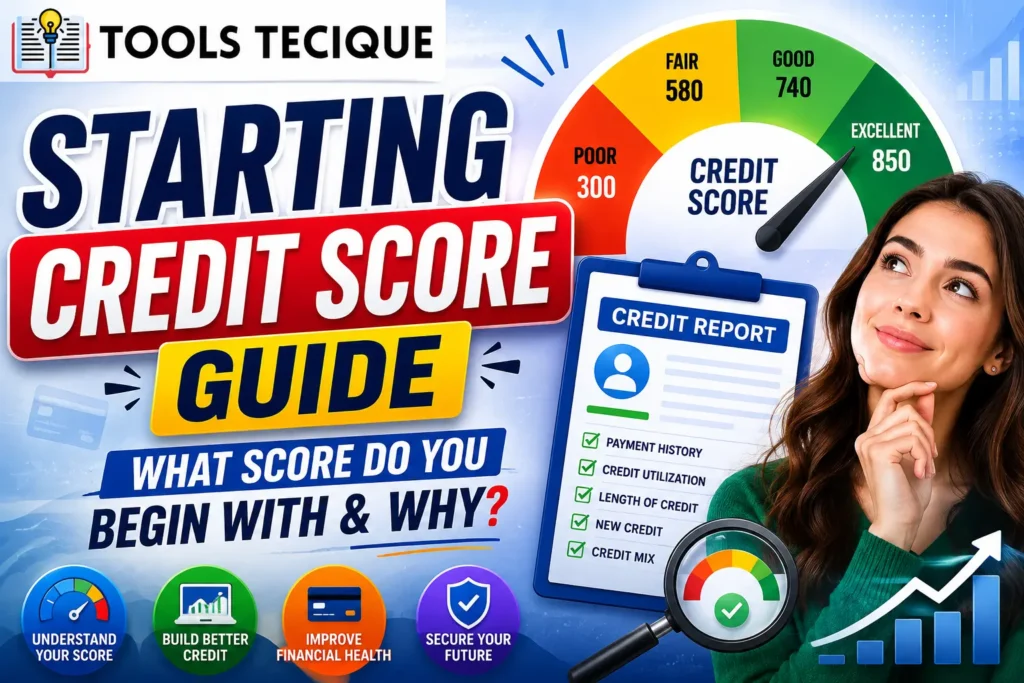

تبدأ رحلتك الائتمانية من الصفر، وليس برقم بداية سحري. إن إدراك هذه الحقيقة الأساسية سيوفر عليك الوقت ويساعدك على بناء سجل ائتماني قوي منذ البداية.
Quick Summary
تبدأ رحلتك بدون سجل ائتماني. لن يكون لديك أي تصنيف ائتماني حتى تبني تاريخًا ائتمانيًا. بمجرد فتح حسابك الائتماني الأول واستخدامه بحكمة لمدة تتراوح بين 3 و6 أشهر، سيتراوح تصنيفك الائتماني عادةً بين 300 و850. يعتمد تصنيفك الأول على كيفية إدارتك لهذا الائتمان الأولي، ويُعدّ سجل السداد العامل الأهم.
Understanding the Starting Line: The “Credit Invisible” Reality
The Myth of Credit Score
Many people believe everyone starts with a credit score of 600, 650, or some other predetermined number. This widespread misconception causes unnecessary worry for those beginning their credit journey. The reality is much simpler: you don’t start with any score at all.
درجات الائتمان قِس مدى جدارتك بالثقة في الاقتراض وسداد الأموال. بدون أي سجل ائتماني، لا يوجد ببساطة ما يُقاس. فكّر في الأمر كأنك تحصل على درجة في اختبار لم تخضْه قط، إنه أمر مستحيل لعدم وجود بيانات لتقييمها.
لا تُصدر مكاتب الائتمان الرئيسية، إكسبيريان وإيكويفاكس وترانس يونيون، تقارير ائتمانية إلا إذا كانت لديك حسابات ائتمانية نشطة. وحتى ذلك الحين، تبقى ضمن ما يُطلق عليه الخبراء فئة "غير المرئيين ائتمانيًا".
What “Credit Invisible” Truly Means
- No credit history: Being “credit invisible” means you lack a credit history with the three main credit bureaus.
- Widespread issue: About 26 million Americans are credit invisible. Plus, 19 million have credit records that are too limited to create a credit score.
- Not bad: This status just means you haven’t built a credit history yet. Everyone starts here when they first engage with the credit system, whether at 18 or 40.
- How it changes: يتغير وضعك الائتماني غير المرئي عند فتح أول حساب ائتماني لك. عندها تبدأ في بناء سجل سداد. يمكن تحقيق ذلك من خلال فتح بطاقة ائتمان أو الحصول على قروض طلابية.
The Genesis of Your First Credit Score: From Zero to Visible
How Your Credit Journey Begins: Initiating a Credit Account
تبدأ رحلتك نحو بناء سجل ائتماني جيد عند فتح أول حساب ائتماني لك. قد يكون هذا الحساب بطاقة ائتمان، أو قرض سيارة، أو قرضًا دراسيًا، أو حتى من خلال أن تصبح مستخدمًا مُصرّحًا له في حساب شخص آخر. بمجرد الموافقة، يُبلغ المُقرض مكتبًا أو أكثر من مكاتب الائتمان بتفاصيل حسابك، ثم يُنشئون سجلك الائتماني الأولي. مع ذلك، لن ترى درجة ائتمانك فورًا. تحتاج معظم نماذج التقييم الائتماني إلى شهر واحد على الأقل من تاريخ الحساب لإنشاء درجة. بعضها، مثل FICO، يتطلب عادةً ستة أشهر من تاريخ الائتمان. في المقابل، يُمكن لـ VantageScore إنشاء درجة ائتمانية بشهر واحد فقط من النشاط المُبلغ عنه. تُتيح فترة الانتظار هذه للنماذج جمع بيانات كافية، ومن ثم يُمكنها تقييم جدارتك الائتمانية بدقة.
The Role of Scoring Models: FICO® and VantageScore
Two main credit scoring models dominate the industry: FICO and VantageScore.
Understanding how credit scoring works can help you know what to expect for your first score. FICO, used by 90% of top lenders, needs a credit account to be at least six months old and have recent activity. This helps provide stable and reliable scores. VantageScore is more flexible; it can generate scores with just one month of payment history. This makes it popular among credit monitoring services and apps for new users.
Both models use the same 300-850 scoring range. However, their different methods for new credit users mean your first scores could vary a lot between the two systems.
Decoding Your Early Score: Factors That Immediately Matter
Payment History: The Unwavering Foundation of Good Credit
Payment history makes up 35% of your FICO score. This means it’s the most important factor right from your first payment.
- Every payment you make (or miss) is reported to credit bureaus within about 30 days of the due date.
- إن سداد دفعتك الأولى في الوقت المحدد يثبت فوراً أنك مقترض موثوق. ووفقاً لشركة إكسبيريان، فإن سجل السداد أمر بالغ الأهمية لتصنيفك الائتماني، وحتى التخلف عن سداد دفعة واحدة يمكن أن يضر بتصنيفك بشكل كبير.experian.com).
- Late payments hurt new credit profiles because there’s no positive history to offset them. Just one 30-day late payment can lower a new credit score by 60 to 110 points. This shows how crucial it is to make timely payments from the start.
Credit Utilisation Ratio: Managing Your Amounts Owed
Credit utilization shows how much of your available credit you use. It makes up 30% of your FICO rating. This factor is important as soon as you get your first credit card or credit line.
To score well, keep your credit utilization below 30% of your limit. Scores are best when you’re under 10%. If you have a $500 credit limit, aim to keep balances below $50 for the best impact on your score.
Credit utilization is measured for each card and for all revolving accounts combined. Even if you have just one credit card, managing this ratio well can greatly impact your initial credit score and its growth over time.
Length of Credit History: Time as a Trust Builder
Length of credit history adds 15% to your FICO score. It shows how long you’ve been using credit. This starts at zero but builds value as time goes on.
This factor includes the age of your oldest account, your newest account, and the average age of all your accounts. With just one account, these metrics will be the same. However, as your accounts age, this factor will grow stronger.
You can’t speed up time, but you can make smart choices to protect its future value.
Keeping your first credit card open is smart. It helps maintain a longer average account age, even if you open more accounts later.
New Credit: Strategic Applications for Growth
New credit inquiries and recently opened accounts make up 10% of your FICO score. As someone building credit from scratch, this factor will have immediate relevance to your scoring profile.
Each application for new credit usually creates a “hard inquiry” on your credit report. This can lower your score by a few points, but only for a short time. If you have multiple inquiries in a short period, the impact can add up. So, it’s important to be smart about when you apply for credit.
The scoring models separate two things:
- Rate shopping: This is when you have multiple inquiries for the same loan type within 14-45 days.
- Credit-seeking behavior: This involves different types of credit applications over time.
Focus on building one solid account before expanding your credit profile.
Credit Mix (Types of Credit): A Future Consideration
Credit mix is the range of credit account types in your profile. It makes up 10% of your FICO score. This factor has little impact at first. However, knowing it can help you in future credit-building strategies.
يتكون المزيج الائتماني من جزأين:
- Revolving credit, like credit cards.
- Installment loans, such as auto loans, mortgages, and personal loans.
Having both can boost your score. This matters more as your credit profile grows.
Don’t obsess over credit mix when starting. Manage your first credit account carefully before diversifying. Payment history and utilization are more important for your initial scores.
What Score Should You Expect Initially?
No Specific “Starting Score,” But a General Range
لن يكون تقييمك الائتماني الأول رقمًا ثابتًا، بل يعكس مدى جودة إدارتك لنشاطك الائتماني الأولي. تتراوح تقييمات معظم الناس بين 500 و700. ووفقًا لشركة إكسبيريان، يعتمد تقييمك الأول على كيفية إدارتك لاستخدامك الائتماني، وسدادك للمدفوعات، ونوع الائتمان الذي تحصل عليه.experian.com).
يعتمد هذا النطاق على إدارتهم المبكرة للائتمان.
Several factors influence where your first score lands within this range:
- Payment timeliness: Making all payments on time typically results in higher initial scores
- Credit utilisation: Lower utilisation percentages generally produce better starting scores
- Account type: Some account types may generate different initial scoring patterns
- Reporting timing: When your account information gets reported can affect your first visible score
Remember that your first credit score is just a starting point, not a permanent label. Good credit management can bring big improvements within months of starting credit.
Understanding Your First Score’s Significance
Your initial credit score is a starting point, not a final judgment. While a higher score is better, lower scores can improve quickly with responsible actions.
Focus on how your score changes over time, not just where it starts. For example, a score rising from 580 to 650 in six months shows good credit management and hints at future growth.
Your first score highlights areas to improve. If it’s lower than you hoped, check your credit utilization and payment history for ways to boost it.
What Actions Build Credit Most Effectively?
The Power of a Secured Credit Card
Secured credit cards are an easy way to build credit from scratch. They need a cash deposit, which usually becomes your credit limit. This lowers risk for card issuers and makes it easier to get approved if you have no credit history.
The main benefit of secured cards is they work like regular credit cards for building credit. Your payment history, credit use, and account management are reported to credit bureaus, just like with other credit cards.
Many secured cards offer graduation paths to unsecured cards after demonstrating responsible use. Some issuers check accounts every six months. They might turn your secured card into an unsecured one and give back your security deposit. This upgrades your credit relationship.
Exploring Credit Builder Loans
تختلف قروض بناء الائتمان عن القروض التقليدية. فأنت لا تحصل على المال فورًا، بل تقوم بدفع أقساط شهرية في حساب توفير. وبعد انتهاء مدة القرض، يتم تحويل الأموال إليك. ووفقًا للاحتياطي الفيدرالي، تبلغ قيمة قطاع بناء الائتمان في الولايات المتحدة 845 مليون دولار.federalreserve.gov).
يتم الإبلاغ عن هذه المدفوعات إلى مكاتب الائتمان، مما يساعد على إنشاء سجل دفع إيجابي.
These loans are great if you want to build credit. They help you avoid the temptation of credit cards. Local credit unions usually have the best terms for credit builder loans. Their interest rates can be as low as 6-10%.
The typical credit builder loan ranges from $300-$1,000 with terms of 6-24 months. You’re paying to build credit. This disciplined payment plan is helpful for anyone learning good credit habits.
Becoming an Authorised User on an Existing Account
Becoming an authorized user on someone else’s credit card can quickly boost your credit profile. The primary cardholder’s payment history and account age often appear on your report. This can give you years of positive credit history immediately.
This works best if the primary cardholder has good credit habits and a long account history. Their responsible management can help improve your credit score more than other methods.
لكن هذه الاستراتيجية تنطوي على مخاطر.
إذا قام حامل البطاقة الأساسي بالدفع متأخرًا أو تجاوز الحد الأقصى للبطاقة، فقد يؤدي ذلك إلى الإضرار بدرجة الائتمان الخاصة بك أيضًا.
Responsible Use of Student Loans or Auto Loans
Student loans and auto loans can serve as credit-building tools when managed responsibly.
These installment loans help you create a payment history and meet your financial needs.
Federal student loans often skip credit checks. This makes them available to those with no credit history. To maximize their credit-building value, make all payments on time during the loan term.
Auto loans typically require a credit check. Still, many lenders offer programs for first-time buyers or those with little credit history.
Having a co-signer can improve approval odds and potentially secure better interest rates.
Reporting Rent and Utility Payments (Alternative Methods)
Some services help you build credit by reporting rent and utility payments. Companies like RentTrack, LevelCredit, and Experian Boost help add positive payment history. They include bills you already pay.
These alternative methods work best with traditional credit-building strategies, not as standalone solutions. They can boost your credit score a bit, but traditional revolving and installment credit usually matters more to lenders.
The effectiveness of alternative reporting depends on the scoring model and lender preferences. Some lenders rely on traditional credit data. Others are now looking at alternative payment histories for their credit decisions.
How Can You Nurture Credit Growth?
Make On-Time Payments Your Unwavering Priority
Payment history remains the most crucial factor throughout your entire credit journey.
Having a perfect payment record from day one builds a solid base for long-term credit success.
Set up automatic payments for at least the minimum amount. This helps prevent accidental late payments. Many find it useful to schedule these payments a few days before the due date. This way, you can avoid any processing delays or banking issues.
Consider these payment strategies for optimal results:
- Pay the full statement balance to avoid interest charges while building a positive payment history
- Make payments two times a month. This helps keep your balances lower and improves your credit utilization.
- Set up calendar reminders as backup systems, even when using automatic payments
- Pay early when possible to ensure payments post before due dates
One late payment can hurt a new credit profile. So, focus on being consistent above all else.
Keep Your Credit Utilisation Low
يؤثر الحفاظ على نسب استخدام منخفضة للائتمان بشكل كبير على مسار تحسين درجة الائتمان الخاصة بك.
Common advice says to stay below 30%, but scores often do best with utilization under 10%.
For a $500 credit limit, keeping balances below $50 offers the best scoring benefits. As your credit limits grow, it becomes easier to maintain these low utilization rates while gaining more spending flexibility.
ضع في اعتبارك استراتيجيات إدارة الاستخدام التالية:
- Pay down balances before statement closing dates to report lower utilisation amounts
- Request a credit limit increase after 6 to 12 months of responsible use. This helps improve your utilization ratios automatically.
- Use multiple cards for purchases. This helps keep the balance on each card low.
- قم بإجراء عمليات شراء صغيرة بانتظام rather than large purchases that spike utilisation temporarily
راقب استخدامك شهريًا للتأكد من أنك تحقق أقصى استفادة من عامل التقييم المهم هذا.
Regularly Monitor Your Credit
Credit monitoring helps you track your credit and spot issues early. Many banks and credit card companies offer free credit scores and monitoring.
Free options include Credit Karma, Credit Sesame, and services from banks. These scores might not match what lenders see, but they provide helpful insights into your credit trends. They can also alert you to major changes.
Check your credit reports once a year. Visit AnnualCreditReport.com for reports from all three bureaus. This is the only government-approved source for free reports. Check for mistakes, unknown accounts, or other issues that might harm your credit-building efforts.
Avoid Opening Too Many Credit Lines Too Soon
Building credit requires some activity. However, opening too many accounts at once can hurt your scores. It may also make it hard to manage multiple payment schedules.
Every new credit application leads to a hard inquiry, which can lower your score for a short time. Many inquiries in a short time can make things worse. This might show lenders that you are desperate.
Concentrate on building a solid relationship with one or two credit products first. You can demonstrate responsible management without the stress of handling multiple accounts.
Why Does Strong Credit Matter Long-term?
Access to Better Financial Opportunities
Strong credit scores lead to better interest rates, higher credit limits, and improved loan terms. The gap between fair and excellent credit can save you thousands over a mortgage or auto loan.
Excellent credit (scores above 800) usually secures the best rates and terms. Good credit (670-739) gets you competitive rates. This means real savings over fair or poor credit.
Think about the long-term costs: a $200,000 mortgage with excellent credit may have a 6.5% interest rate. In contrast, fair credit might mean a 7.5% rate. Over 30 years, that 1% difference could cost around $42,000 in extra interest.
Beyond Loans: Other Practical Advantages
Credit scores affect many parts of life beyond just lending. Landlords often check scores for rental applications. Higher scores can give you an edge in popular markets.
Many employers check credit when hiring, especially for jobs that involve money. They can’t see your exact scores, but a bad credit history might hurt your chances in some fields.
Many states allow insurance companies to use credit scores. They do this to set premiums for auto and homeowner’s coverage. Better credit can lead to lower costs, saving you money each month.
Utility companies might not require security deposits from customers with good credit. On the other hand, those with poor credit may have to pay large deposits to get service.
Common Questions for New Credit Builders
Does Checking My Score Hurt It?
Checking your own credit score never hurts your credit profile. This type of inquiry is called a “soft inquiry” and doesn’t impact your scores in any way. You can check your scores as frequently as you’d like without concern.
Hard inquiries happen when lenders check your credit during a loan application. These inquiries can lower your scores by a few points for a short time. They stay on your credit reports for up to two years, but their effect fades over time.
The distinction is important. Many people avoid checking their credit because they fear it will lower their scores. Regular monitoring is actually beneficial for tracking progress and identifying potential issues early.
Do I Need to Carry Balances to Build Credit?
You absolutely do not need to carry balances from month to month to build credit effectively. Paying off your credit card balance each month is the best way to build credit. It also helps you avoid interest charges.
Credit scoring models focus on your payment history and credit utilization. They don’t care if you pay interest to card issuers. Buying things, telling credit bureaus, and paying off the balance shows good credit skills.
Carrying balances costs money in interest without helping your credit score. The myth that it boosts credit scores has led consumers to pay billions in extra interest over the years.
Your Empowered Credit Journey Begins Now
Recap of the Fundamental Truth: You Don’t Start With a Score, You Build It
Knowing that everyone begins their credit journey at zero helps reduce the mystery and stress of building credit. There’s no magic number or set path just a chance to show responsible financial behavior over time.
Your first credit score shows how well you handle credit use. More importantly, it marks the start of your credit journey. By managing credit responsibly, you can see steady improvements and more financial options.
الرحلة من كونها الائتمان غير مرئي ليس من الصعب الحصول على سجل ائتماني ممتاز، فهو يتطلب الصبر والمثابرة. تساهم المدفوعات المنتظمة، وانخفاض الاستهلاك الشهري، واتخاذ قرارات ائتمانية سليمة في تحسين سجلك الائتماني. تذكر أن الصبر والمثابرة والعادات الائتمانية المسؤولة هي مفاتيح النجاح.
بناء ائتمان ممتاز هو ماراثون، وليس سباق سريع.
قد تلاحظ بعض التحسينات في غضون بضعة أشهر.
لكن الوصول إلى أعلى نطاقات درجات الائتمان عادةً ما يستغرق عدة سنوات من السلوك الثابت والمسؤول.
الأسئلة الشائعة
هل من الممكن البدء من جديد في سن 54؟
نعم، من الممكن البدء من جديد في سن 54 بالتركيز والعمل الجاد والتخطيط. كثير من الناس يعيدون ابتكار أنفسهم في مراحل لاحقة من حياتهم من خلال تعلم مهارات جديدة أو ممارسة شغف جديد.
ما هو الحد الأدنى لدرجة الائتمان الخاصة بك؟
يبدأ التصنيف الائتماني عمومًا من 300 ويمكن أن يصل إلى 850. ويعتمد تصنيفك على عوامل مثل تاريخ الدفع ومستويات الديون ومدة التاريخ الائتماني.
أريد أن أبدأ مشروعاً تجارياً، لكنني لا أملك المال. ماذا أفعل؟
فكّر في بدء مشروع تجاري منخفض التكلفة أو عمل جانبي، مثل العمل الحر أو الاستشارات. ابحث عن خيارات تمويلية مثل منح المشاريع الصغيرة، والقروض، أو التمويل الجماعي.
في أي صف أو سنة يجب أن أبدأ التحضير لاختبار SAT/ACT؟
ابدأ التحضير لاختبارات SAT/ACT في الصف العاشر أو الحادي عشر، مع إتاحة وقت كافٍ للاختبارات التجريبية والتحسين قبل السنة الأخيرة من دراستك.
لماذا من المهم معرفة درجة الائتمان الأولية الخاصة بك؟
إن معرفة درجة الائتمان الأولية الخاصة بك تساعدك على فهم وضعك المالي وتتيح لك تتبع التحسينات للحصول على أسعار فائدة أفضل وفرص مالية أفضل.