










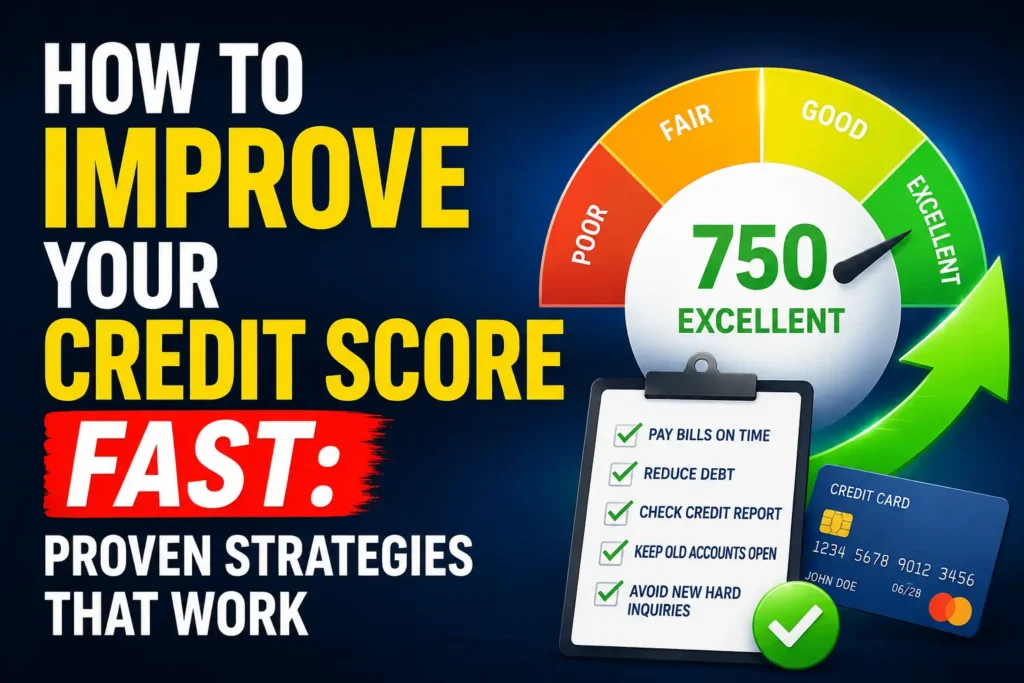

Kredi puanınızın iyileştirilmesi, ipotek, kira ve iş gibi büyük finansal kararları etkiler. İyi haber şu ki, küçük değişiklikler size binlerce lira tasarruf sağlayabilir ve daha iyi faiz oranları elde etmenizi sağlayabilir. Kredi puanlarını anlayarak ve temel faktörlere odaklanarak, 30 ila 90 gün içinde gerçek ilerleme kaydedebilirsiniz. Bu kılavuz, puanınızı yükseltmek ve zaman içinde finansal sağlığınızı iyileştirmek için basit ipuçları sunmaktadır.
Kredi puanınız, ipotek almak, ev kiralamak veya hatta iş bulmak gibi finansal kararlarda önemli bir faktördür. Kredi alışkanlıklarınızda yapılacak küçük değişiklikler size binlerce dolar tasarruf sağlayabilir. Kredi puanınızı etkileyen beş temel faktörü (ödeme geçmişi, kredi kullanımı, kredi süresi, kredi türü ve yeni kredi) anlamak, bilinçli kararlar almanıza ve finansal sağlığınızı iyileştirmenize yardımcı olacaktır. Tutarlı çabalarla, puanınızda 30 ila 90 gün gibi kısa bir sürede iyileşmeler görebilirsiniz. Kredinizi nasıl yükselteceğinizi ve kredilerde ve kredi tekliflerinde daha iyi oranlar elde etmeyi öğrenin.
Kredi Puanlarının Nasıl Çalıştığını Anlamak
Kredi puanları 300 ile 850 arasında değişir ve daha yüksek puanlar daha iyi kredi notunu gösterir. Bu puanları hesaplayan iki ana şirket vardır: FICO ve VantageScore. Her iki formül de, küçük farklılıklar olsa bile, puanınızı belirlemek için benzer faktörleri değerlendirir.
Bu beş temel bileşeni anlamak:
Ödeme Geçmişi ()Ödemelerinizi zamanında yapma geçmişiniz en büyük ağırlığı taşır. Tek bir gecikmiş ödeme bile, özellikle yakın zamanda gerçekleşmişse, puanınızı önemli ölçüde etkileyebilir.
Kredi Kullanım Oranı (): Bu, mevcut kredi limitinizin ne kadarını kullandığınızı ölçer. Daha düşük kullanım oranları, sorumlu kredi yönetimini gösterir ve kredi puanınızı yükseltir.
Kredi Geçmişinin Süresi (): Daha uzun kredi geçmişi genellikle daha yüksek kredi puanlarına yol açar. Bu, en eski hesabınızın yaşı, en yeni hesabınızın yaşı ve tüm hesapların ortalama yaşını içerir.
Kredi Dağılımı (): Kredi kartları, taşıt kredileri ve ipotekler gibi çeşitli kredi türlerini kullanmak, borç verenlere borçlarınızı etkili bir şekilde yönetebildiğinizi gösterir.
Yeni Kredi Başvuruları ()Her bir kredi sorgulaması, kredi puanınızı geçici olarak düşürebilir. Kısa bir süre içinde birden fazla sorgulama yapılması, çok fazla borç aldığınızı gösterebilir.
Kredi Puanınızı Hızlıca İyileştirmenin Kanıtlanmış Stratejileri
Tüm faturaları zamanında ödeyin.
Ödeme geçmişiniz kredi puanınızın hesaplanmasında en önemli faktördür; bu nedenle zamanında ödeme yapmak en büyük önceliğinizdir. Gecikmiş ödemeler kredi raporunuzda yedi yıl boyunca kalabilir, ancak etkileri zamanla azalır. FICO2024 yılında ABD'deki ortalama kredi puanı 715 idi.fico.com
Tüm hesaplarınız için en azından asgari ödeme tutarı için otomatik ödemeleri ayarlayın. Birçok banka ve kredi kartı şirketi, son ödeme tarihlerinden önce SMS veya e-posta hatırlatıcıları gönderir. Son zamanlarda ödemelerinizi kaçırdıysanız, ödemelerinizi telafi etmek ve düzenli ödeme yapmak, kredi puanınızı yavaş yavaş artıracaktır. Potansiyel kredi puanı iyileşmenizi daha iyi tahmin etmek için, bir araç kullanmayı düşünün. kredi puanı hesaplayıcısı Kişiselleştirilmiş fiyat teklifi için.
Kredi kullanım oranınızı düşürün
Kredi kullanım oranınızı mevcut kredi limitinizin 'unun altında tutun. Daha da büyük bir etki için, bu oranı 'un altına düşürmeyi hedefleyin.
Bu yüzde hem tek kartlar hem de tüm hesaplarınızdaki genel kullanımınız için geçerlidir.
Hesap özetinizin kapanış tarihinden önce ödemelerinizi yapmayı düşünün. Bu, kredi bürolarına bildirilen bakiyelerin daha düşük olmasını sağlar.
Bazı kişiler ay içinde birkaç küçük ödeme yapmayı tercih eder. Bu şekilde, hesap özeti geldiğinde büyük bir ödeme yapmaktan kaçınırlar.
Kredi Raporlarındaki Hatalara İtiraz Etme
Kredi raporu hataları şaşırtıcı derecede yaygındır ve kredi puanınızı yapay olarak düşürebilir. Equifax, Experian ve TransUnion olmak üzere üç kuruluştan her yıl bir ücretsiz kredi raporu alabilirsiniz. Tüketici RaporlarıKredi raporlarını inceleyen kişilerin 'ü en az bir hata tespit etti. savunuculuk.tüketiciraporları.org
Raporlarınızı dikkatlice inceleyin.
Şunları kontrol edin:
Yanlış hesap bilgileri
Zamanında yapılan gecikmiş ödemeler
Size ait olmayan hesaplar
Güncelliğini yitirmiş olumsuz bilgiler
İtirazlarınızı doğrudan kredi bürolarına iletin ve iddialarınızı destekleyecek belgeler sunun. İtirazların çoğu 30 gün içinde çözülür.
Yeni zorlu soruşturmalardan kaçının.
Kredi başvurusunda bulunduğunuzda, kredi verenler kredi puanınızı detaylı bir şekilde inceler. Bu, kısa bir süre için kredi puanınızı birkaç puan düşürebilir. Kısa bir süre içinde birden fazla kredi sorgulaması, potansiyel kredi verenlere finansal sıkıntı yaşadığınızın sinyalini verir.
Gerekmedikçe yeni kredi başvurularını sınırlayın. Otomobil veya konut kredisi gibi krediler için araştırma yapmanız gerektiğinde, faiz oranlarını 14 ila 45 günlük bir süre içinde karşılaştırın. Kredi puanlama modelleri, aynı kredi türü için belirli bir zaman dilimi içinde yapılan birden fazla sorgulamayı genellikle tek bir sorgulama olarak değerlendirir.
Eski Hesapları Açık Tutun
Eski kredi kartlarını kapatmak kredi puanınızı olumsuz etkileyebilir. Özellikle yıllık ücreti olmayan kartları açık tutun. Hesap kapatmak, kullanılabilir kredinizi azaltır ve kullanım oranınızı artırabilir.
Eski kartınızı düzenli olarak kullanmasanız bile, küçük ve ara sıra yapılan alışverişlerle aktif tutun. Bazı kart şirketleri, uzun süre aktif olmayan hesapları kapatır. Bu durum kredi puanınızı olumsuz etkileyebilir.
Kredi Çeşitlerini Akıllıca Kullanın
Kredi çeşitliliği, kredi puanınızın 'unu oluşturur.
Kredi kartları gibi döner krediler ve otomobil veya kişisel krediler gibi taksitli kredilerin her ikisini de kullanmak kredi puanınızı yükseltebilir.
Sadece kredi kartı kullanıyorsanız, bir kredi birliğinden küçük bir kişisel kredi veya kredi puanı oluşturma kredisi almayı düşünün.
Ödemeleri karşılayabileceğinizden emin olun. Olumlu etki ancak ödemelerinizi düzenli ve zamanında yaparsanız ortaya çıkar.
Minimumdan Daha Fazla Ödeyin
Minimum ödemeden daha fazla ödeme yapmak, borcunuzu hızla azaltmanıza yardımcı olur. Ayrıca kredi kullanım oranınızı da düşürür. Bu ikili fayda, kredi puanınızın iyileşmesini önemli ölçüde hızlandırabilir.
Ödemelerinizi ayda bir yerine iki kez yapmayı düşünün. Bu yöntem, bakiyenizi tüm ay boyunca daha düşük tutar. Harcamalarınız aynı kalsa bile, bildirilen kullanım oranının daha düşük olmasına yol açabilir.
Yetkili Kullanıcı Olun
Kredi puanı mükemmel olan bir aile üyenizden sizi hesaplarına yetkili kullanıcı olarak eklemesini rica edin. Onların olumlu ödeme geçmişi ve düşük kullanım oranı, kredi puanınızı hızla yükseltmenize yardımcı olabilir.
Hesabı birkaç yıldır yöneten, düşük bakiyeler tutan ve zamanında ödeme yapan birini seçin. Bazı kredi puanlama modelleri, puanınızı hesaplarken hesabın yaşını da dikkate alır. Bu, yıllarca süren olumlu geçmişiniz için sizi ödüllendirir.
Kredi Takibi için Araçlar ve Kaynaklar
Kredi durumunuzu düzenli olarak izlemek, ilerlemenizi takip etmenize ve sorunları erken tespit etmenize yardımcı olur. Birçok kredi kartı şirketi artık kart sahiplerine genellikle aylık olarak güncellenen ücretsiz kredi puanları sunmaktadır. Bu puanlar, genel olarak nerede olduğunuz ve çabalarınızın nasıl sonuç verdiğine dair bir fikir verir. Daha ayrıntılı bir görünüm için, üç kredi bürosunun tümünden kredi raporlarınızı yılda en az bir kez kontrol edin. İsteklerinizi dört ayda bir yapın. Bu, kredi profilinizi takip etmenize yardımcı olur.
Gerçek zamanlı güncellemeler için kredi izleme hizmetlerini kullanın. Bu hizmetler, kredi raporunuzdaki değişiklikler konusunda sizi uyarır. Yeni hesaplar, gecikmiş ödemeler veya diğer önemli değişiklikler hakkında bilgilendirilirsiniz. Bu uyarılar, kimlik hırsızlığı veya raporlama hatalarını işaret edebilir. Bu proaktif yaklaşım, sorunları hızlı bir şekilde çözmenize yardımcı olur. Kredi geçmişinizi oluştururken doğru yolda kalmanızı sağlar. Finansal geleceğinizi iyileştirme konusunda kapsamlı bir rehber için bu kaynağa göz atın. kredi puanı iyileştirme ve finansal gelecek.
Kaçınılması Gereken Yaygın Hatalar
İyi niyetli bazı eylemler aslında kredi puanınıza zarar verebilir. Kredi puanınızı iyileştirmek için çalışırken bu yaygın hatalardan kaçının:
Eski kredi kartlarını kapatmak, kullanılabilir kredinizi azaltır ve kredi geçmişinizi kısaltır. Yıllık ücreti haklı çıkaramayacağınız kadar yüksek bir kart olmadığı sürece, kartı açık tutun ve ara sıra küçük alışverişler yapın.
Küçük borçları görmezden gelmek sorunsuz gibi görünebilir, ancak ufak gecikmeler bile kredi puanınızı ciddi şekilde etkileyebilir. Temiz bir ödeme geçmişi oluşturmak için büyüklüğüne bakmaksızın tüm borçlarınızı ödeyin.
Washington'a göre, birden fazla kredi kartına başvurmak kısa sürede çok sayıda kredi sorgulamasına yol açar. Postalamak2025 yılının başlarında, 2,2 milyon Amerikalı, öğrenci kredisi ödemelerini aksatmaları nedeniyle kredi puanlarının 100 puandan fazla düştüğünü gördü.washingtonpost.comBu durum, kredi verenler için finansal sıkıntı sinyali olabilir. Başvurularınızı aralıklı yapın ve yalnızca gerçekten ihtiyacınız olan krediler için başvurun.
Kredi kartlarını, geçici olarak bile olsa, sonuna kadar kullanmak, bakiyeyi tamamen ödeseniz bile kredi puanınızı olumsuz etkileyebilir. Her ay bakiyeniz olmasa bile yüksek kullanım oranı raporlanır.
Sonuçları Ne Kadar Hızlı Görebilirsiniz?
Çoğu insan bu stratejileri kullandıktan sonra 30 ila 60 gün içinde iyileşme görüyor. Ancak, süre değişebilir. Bu, başlangıç noktanıza ve önce hangi sorunları ele aldığınıza bağlıdır. Yüksek kredi kartı bakiyelerini ödemek, kredi puanınızı hızla yükseltebilir. Daha düşük bakiyeler, genellikle bir faturalama dönemi içinde kredi bürolarına hızlı bir şekilde bildirilir. Kredi raporunuzdaki hataları düzeltmek, anlaşmazlıklar çözüldükten sonra puanınızı hızla iyileştirebilir.
Kredi notu düşük olan kişiler için büyük iyileşmeler üç ila altı ay sürebilir. Bu, tutarlı ve iyi davranışlar gerektirir. Unutmayın, tutarlılık hızdan daha önemlidir. Sürdürülebilir alışkanlıklar kalıcı iyileşmelere yol açar.
Uzun Vadeli Kredi Sağlığını Oluşturmak
Kısa vadeli çözümler kısa vadeli faydalar sağlar, ancak kalıcı kredi sağlığı düzenli ilgi gerektirir. Tüm ödemelerinizi zamanında yapın. Kredi kullanım oranınızı düşük tutun. Gereksiz yeni borç almaktan kaçının. Ayrıca, şunlara göre... Hafta2025 yılında Z kuşağının (18-29 yaş arası) ortalama kredi puanı 676 idi ve bu da ulusal ortalamadan 39 puanlık bir düşüşe işaret ediyordu.theweek.com)
Finansal sıkıntı dönemlerinde gelecekteki ödeme gecikmelerini önlemek için bir acil durum fonu oluşturun. Acil durum fonu, kredi puanınıza zarar gelmesini önlemenize yardımcı olabilir. Beklenmedik harcamalar sırasında ödemelerin aksamasından sizi korur.
Kredi durumunuzu düzenli olarak takip edin ve sorunları derhal çözün. Kredi puanınızı hızla yükselten alışkanlıklar, uzun vadede yüksek kalmasına da yardımcı olur.
Yarın daha iyi bir kredi için bugün harekete geçin.
Kredi puanınızı iyileştirmek mükemmellik gerektirmez, tutarlılık gerektirir. En önemli stratejilerle başlayın: ödemelerinizi zamanında yapın ve kredi kullanım oranınızı düşürün. Sadece bu iki eylem bile birkaç hafta içinde anlamlı iyileşmeler sağlayabilir.
Unutmayın ki her olumlu adım ivme kazandırır. Puanınız yükseldikçe, daha iyi finansal ürünlere erişim sağlayacaksınız. Bu da faiz ve ücretlerden tasarruf etmenize yardımcı olur. Bugün gösterdiğiniz çaba, gelecek yıllarda size kazanç sağlayacaktır.
Finansal özgürlüğünüz, kredinizi kontrol altına almakla başlar. Lütfen bu kılavuzdan bir veya iki strateji seçin ve bu hafta uygulayın. Küçük, tutarlı adımlar zamanla önemli iyileşmelere yol açar.
Serbest Çalışanlar için Emeklilik Planlaması
Serbest çalışanlar için emeklilik planlaması zor olabilir, ancak çok önemlidir. İşveren destekli bir planınız olmayabilir, bu nedenle bireysel emeklilik hesapları (IRA) veya bireysel 401(k) gibi seçenekleri değerlendirmek önemlidir.
Emeklilik birikimleriniz konusunda doğru yolda olduğunuzdan emin olmak için, kılavuzumuza göz atın. Serbest Çalışanlar İçin Emeklilik Planlaması Rehberi Uzman tavsiyeleri için.
Sıkça Sorulan Sorular
Kredi puanımı hızlı bir şekilde nasıl yükseltebilirim?
Kredi puanınızı iyileştirmek, faturalarınızı zamanında ödemeyi, kredi kullanım oranınızı düşürmeyi ve kredi raporunuzdaki hatalara itiraz etmeyi içerir. Kredi bakiyelerinizi düşük tutmak ve ayda birden fazla ödeme yapmak gibi küçük ayarlamalar 30-60 gün içinde hızlı sonuçlar verebilir.
İyi bir kredi kullanım oranı ne olarak kabul edilir?
İyi bir kredi kullanım oranı, mevcut kredinizin 'unun altında olmasıdır. İdeal olarak, bu oranı 'un altında tutmak, kredi puanınızı daha da artırır ve borç verenlere krediyi sorumlu bir şekilde yönettiğinizi gösterir.
Kredi puanımda değişiklikleri görmek ne kadar sürer?
Yüksek kredi kartı bakiyelerinizi azaltıp kredi raporunuzdaki hataları düzeltirseniz, kredi puanınızda 30 ila 60 gün içinde iyileşmeler görebilirsiniz. Uzun vadeli kredi sağlığı için tutarlılık önemlidir ve genellikle 3-6 ay içinde daha büyük iyileşmeler görülür.
Ay içinde daha fazla ödeme yaparak kredi puanımı yükseltebilir miyim?
Evet, ay boyunca birden fazla ödeme yapmak, kredi kullanım oranınızı düşürmenize yardımcı olabilir ve bu da kredi puanınızı olumlu yönde etkileyebilir. Bu yöntem, ekstrenin kredi bürolarına bildirildiği zaman bakiyenizin daha düşük kalmasını sağlar.
Kredi raporumdaki hatalara itiraz etmek kredi puanımı yükseltir mi?
Evet, kredi raporunuzdaki hatalara itiraz etmek, düzeltildikten hemen sonra kredi puanınızı yükseltebilir. Kredi raporunuzun doğru olduğundan ve puanınızı olumsuz etkileyebilecek güncel olmayan veya yanlış bilgiler içermediğinden emin olun.
Ayrıca okuyun:Serbest Çalışanlar İçin Emeklilik Planlaması: Profesyonel Bağımsızlık İçin Tasarruf Stratejileri