









What Is Matter? The Smart Home Standard Explained (Works With Everything)
Matter ends the smart home compatibility headache by letting devices from different brands work together seamlessly. Learn how it works and how to check for it before buying.
A HELOC and a home equity loan both borrow against your home, but the structure is completely different. Compare both to find out which one actually fits your situation in 2026.
Dividend investing can build real passive income, but chasing the highest yield is a common trap. Learn how it actually works and how to build a sustainable dividend portfolio.
AI can meaningfully speed up your job search, but only when used to enhance genuine effort, not replace it. Learn where AI actually helps and where it can backfire.
AI has erased the grammar mistakes that used to expose phishing emails. Learn the warning signs that still work and how to protect yourself from increasingly convincing scams.
AI NPCs can generate dynamic dialogue instead of repeating scripted lines. Learn how the technology actually works, which games benefit most, and where it still falls short.
APR and APY sound similar but measure completely different things. Learn the real difference and how to compare loan and savings offers correctly in 2026.
A 15-year mortgage builds equity faster and saves tens of thousands in interest, but requires monthly payments roughly 35% to 40% higher than a 30-year loan. The right choice depends on your income stability, other financial goals, and how long you plan to stay in the home. This guide compares both options with real numbers at three loan sizes.
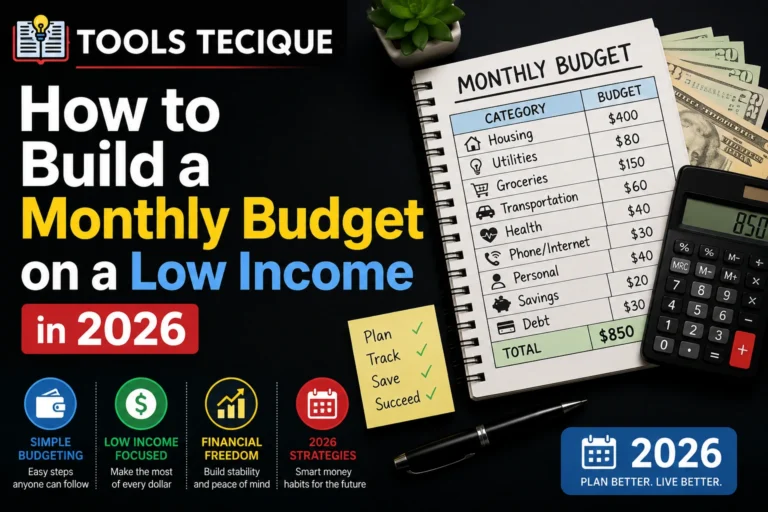
Budgeting on a low income is not about cutting lattes — it is about building a system that covers necessities, stops debt from growing, and carves out even a small monthly surplus. The key is prioritising expenses in the right order: housing, food, utilities, and minimum debt payments before anything else. This guide gives you a practical approach that works even when money is extremely tight.
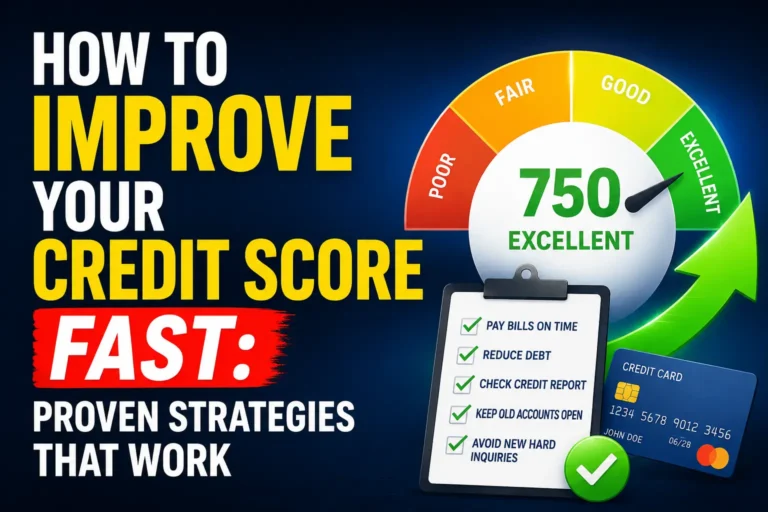
The fastest ways to raise your credit score are reducing credit card utilisation below 30%, disputing errors on your credit report, and getting added as an authorised user on a long-standing account with low utilisation. These three moves can produce visible improvements within one to two billing cycles — often 30 to 90 days — without opening new accounts or waiting years for history to build.