










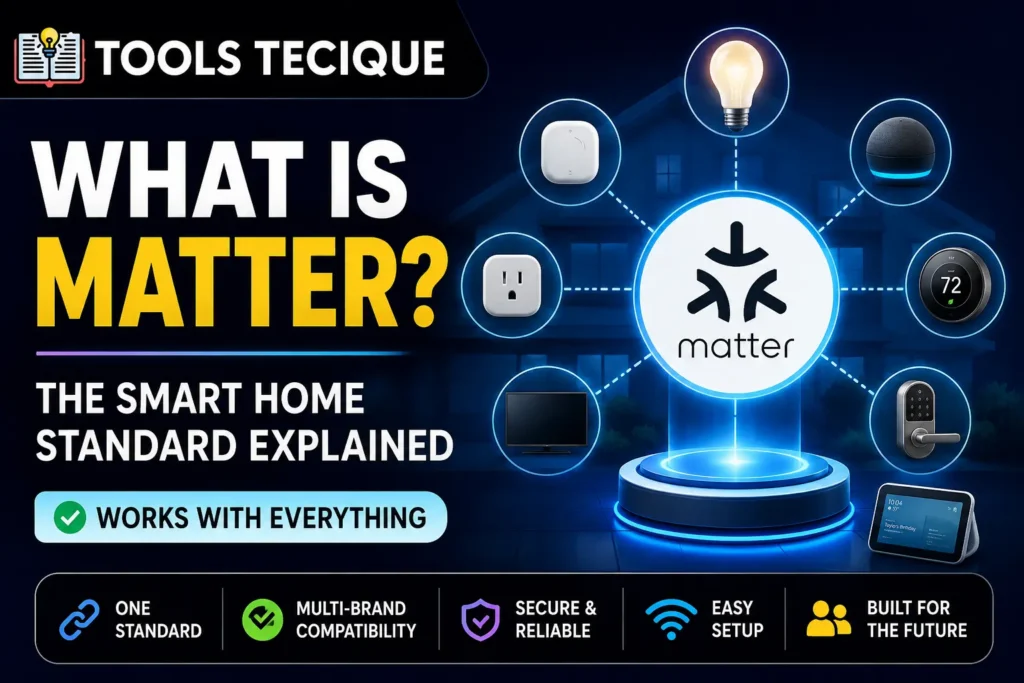
What Is Matter? The Smart Home Standard Explained (Works With Everything)
Matter ends the smart home compatibility headache by letting devices from different brands work together seamlessly. Learn how it works and how to check for it before buying.

Matter ends the smart home compatibility headache by letting devices from different brands work together seamlessly. Learn how it works and how to check for it before buying.

A HELOC and a home equity loan both borrow against your home, but the structure is completely different. Compare both to find out which one actually fits your situation in 2026.

AI can meaningfully speed up your job search, but only when used to enhance genuine effort, not replace it. Learn where AI actually helps and where it can backfire.

The best productivity apps in 2026 automate real work, not just track it. Learn what actually makes a productivity tool worth adopting and how to avoid common setup mistakes.

Hot wallets are convenient, cold wallets are secure. Learn the real tradeoff between the two and how to combine them to protect your crypto holdings in 2026.
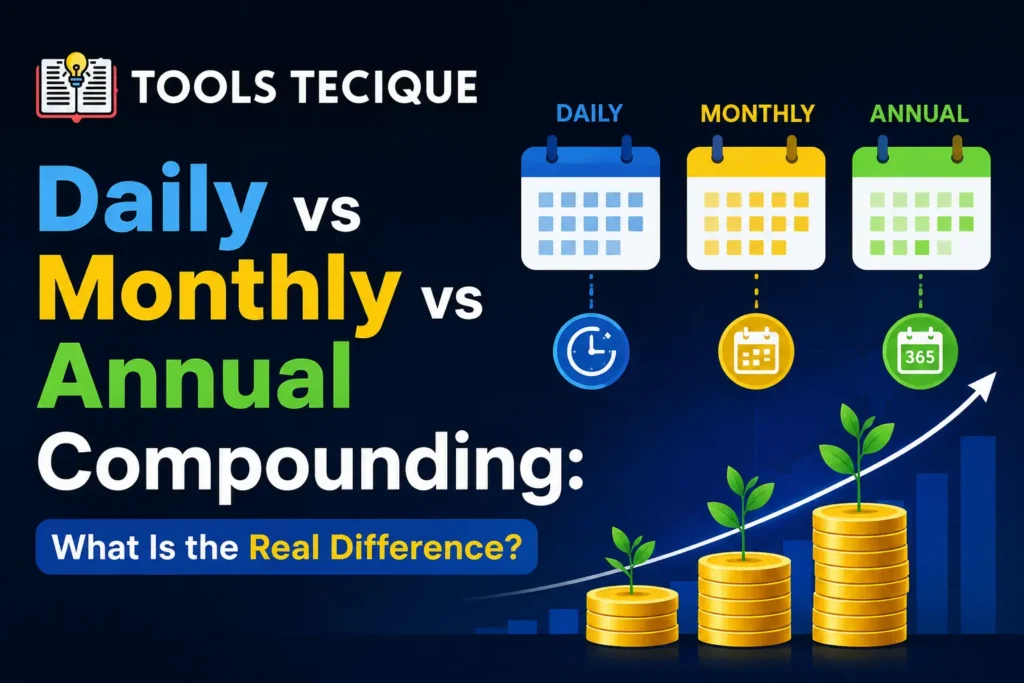
Compounding frequency determines how often interest is calculated and added to your balance. Daily compounding grows money faster than monthly or annual compounding, but the rate itself matters more. Learn the exact dollar differences, how APY vs APR works, and which accounts use which schedule — with real data tables and examples.

Your monthly mortgage payment is made up of principal, interest, taxes, and insurance — known as PITI. The core calculation uses M = P[r(1+r)^n]/[(1+r)^n-1]. This guide walks through every component with worked examples at three loan amounts so you know exactly what you will pay before you sign.
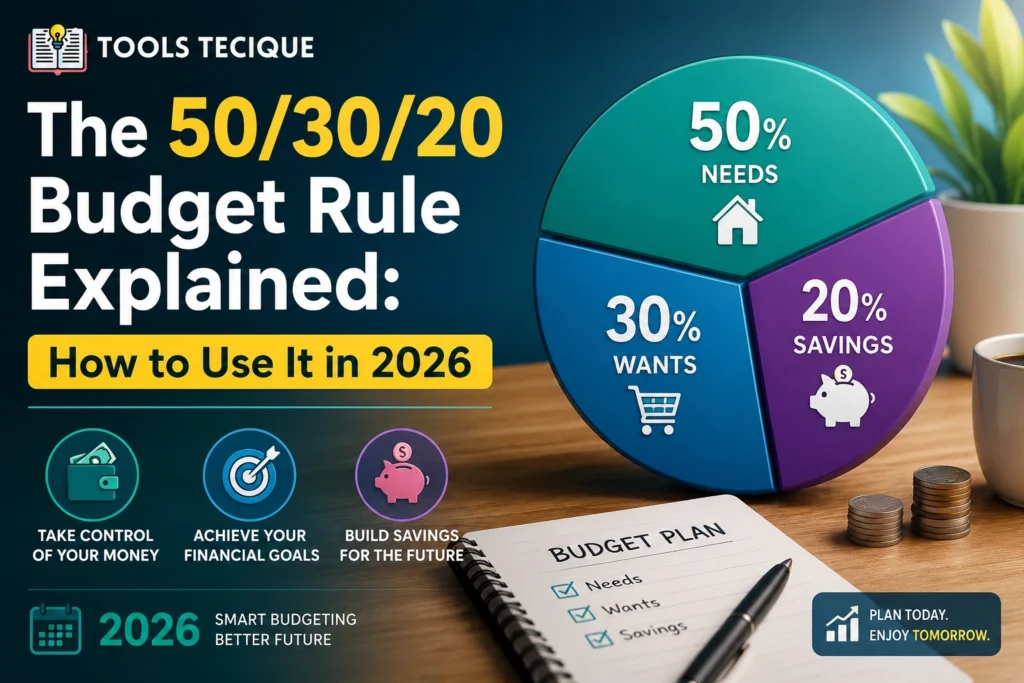
The 50/30/20 budget rule divides your after-tax income into three categories: 50% for needs (rent, groceries, utilities), 30% for wants (dining out, subscriptions, entertainment), and 20% for savings and debt repayment. This framework gives every dollar a purpose without requiring a detailed line-by-line budget — making it one of the most practical starting points for anyone building a financial habit.
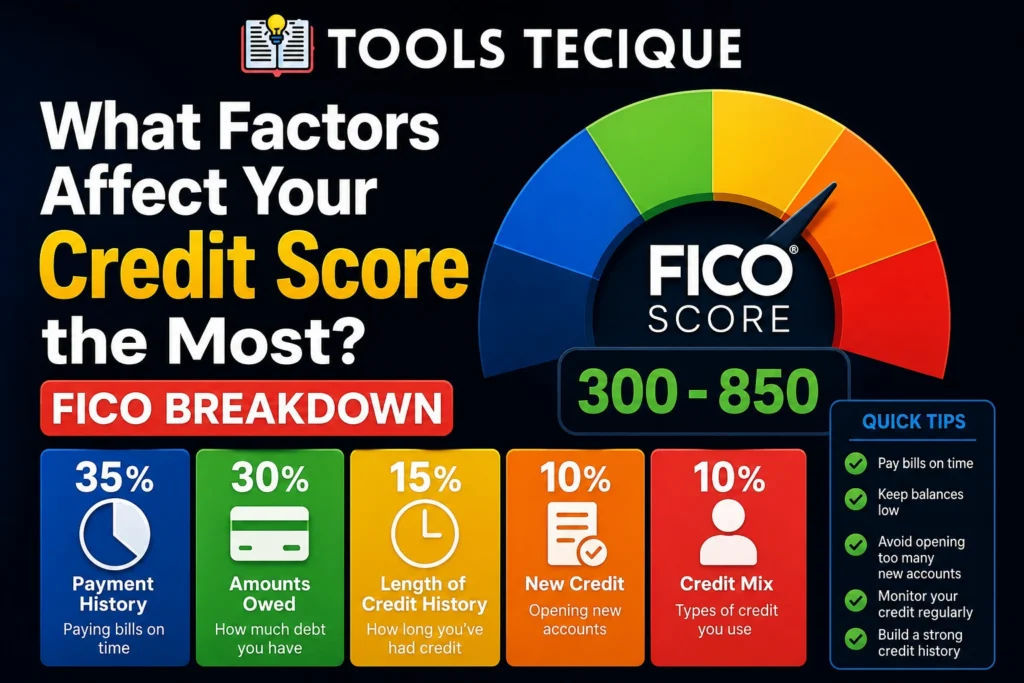
Your FICO credit score is calculated using five factors: payment history (35%), amounts owed or credit utilisation (30%), length of credit history (15%), credit mix (10%), and new credit inquiries (10%). Payment history and utilisation together make up 65% of your score — making them the highest-impact areas to focus on for fast improvement.

The debt avalanche method pays off the highest-interest debt first, saving the most money in total interest. The debt snowball pays off the smallest balance first, delivering faster psychological wins that keep people motivated. The avalanche is mathematically superior, but research shows the snowball produces higher completion rates — making the best choice the one you will actually finish.