Yazar adı: Faique Ahmad

Faique Ahmad, yenilikçi ve performans odaklı araçlar geliştirmesiyle tanınan, FS Ekibinin aktif bir üyesi olan profesyonel bir web geliştiricisidir. ToolsTecnique.com'da, hız, kullanılabilirlik ve gerçek dünya işlevselliğine odaklanarak çeşitli akıllı web araçlarının geliştirilmesinin arkasında yer almaktadır. Uzmanlığı, kullanıcı deneyimini geliştiren ve karmaşık çevrimiçi görevleri basitleştiren verimli dijital çözümler oluşturmakta yatmaktadır.


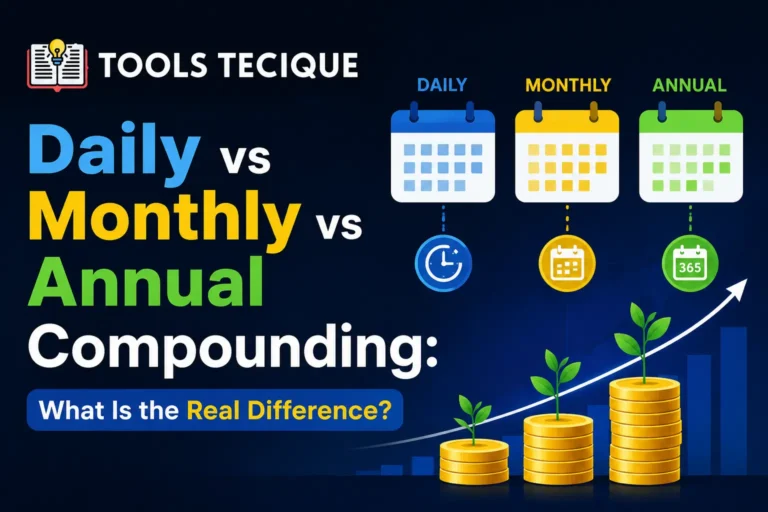
Daily vs Monthly vs Annual Compounding What Is the Real Difference
Finans

Günlük, Aylık ve Yıllık Bileşik Faiz: Gerçek Fark Nedir?

Compounding frequency determines how often interest is calculated and added to your balance. Daily compounding grows money faster than monthly or annual compounding, but the rate itself matters more. Learn the exact dollar differences, how APY vs APR works, and which accounts use which schedule — with real data tables and examples.

How to Calculate Your Monthly Mortgage Payment Step by Step
Finans

How to Calculate Your Monthly Mortgage Payment Step by Step

Your monthly mortgage payment is made up of principal, interest, taxes, and insurance — known as PITI. The core calculation uses M = P[r(1+r)^n]/[(1+r)^n-1]. This guide walks through every component with worked examples at three loan amounts so you know exactly what you will pay before you sign.

503020 Budget Rule Calculator How to Split Your Income in 2026
Finans

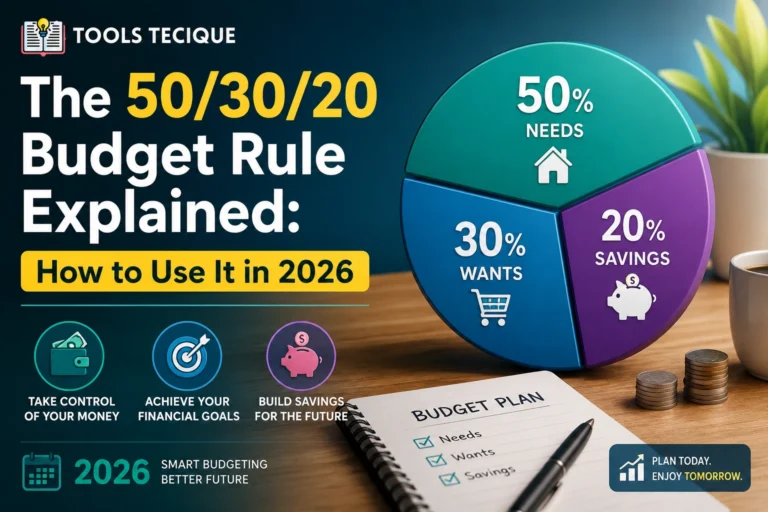
50/30/20 Bütçe Kuralı Açıklaması: 2026'da Nasıl Kullanılır?

The 50/30/20 budget rule divides your after-tax income into three categories: 50% for needs (rent, groceries, utilities), 30% for wants (dining out, subscriptions, entertainment), and 20% for savings and debt repayment. This framework gives every dollar a purpose without requiring a detailed line-by-line budget — making it one of the most practical starting points for anyone building a financial habit.

Debt Avalanche vs Debt Snowball Which Saves More (2026)
Finans

Borç Çığ Yöntemi mi Yoksa Borç Kartopu Yöntemi mi: Hangisi Daha Çok Para Tasarrufu Sağlar?

The debt avalanche method pays off the highest-interest debt first, saving the most money in total interest. The debt snowball pays off the smallest balance first, delivering faster psychological wins that keep people motivated. The avalanche is mathematically superior, but research shows the snowball produces higher completion rates — making the best choice the one you will actually finish.

Scroll to Top