
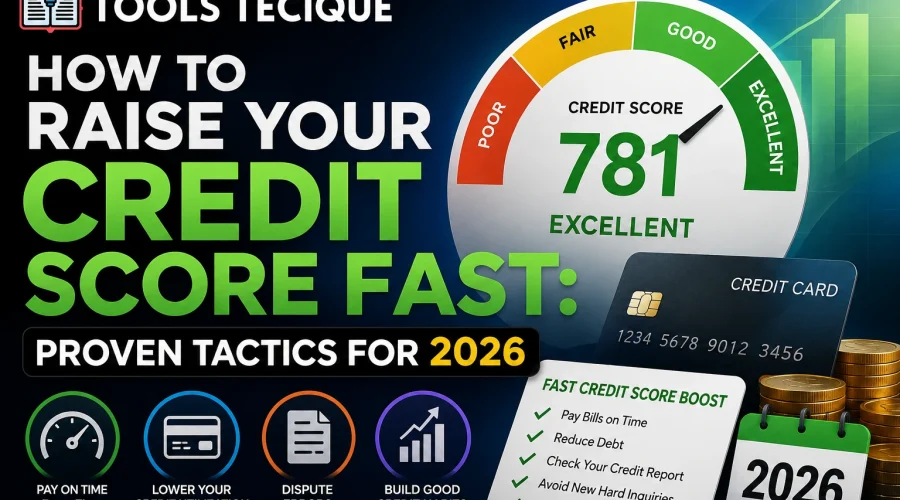
İster konut kredisi başvurusu, ister araç kredisi için daha iyi bir kredi puanına ihtiyacınız olsun, ister daha düşük faiz oranlarından yararlanmak isteyin, zamanlama önemlidir. Kredi puanınızı iyileştirmek çoğu insanın beklediğinden daha hızlı gerçekleşebilir, ancak bunun için doğru faktörleri doğru sırayla hedeflemeniz gerekir.
Ortalama Amerikalı kredi puanı 717'dir (Experian, 2025), ancak milyonlarca kişi 580 ile 669 arasında bir puana sahip olup, 740'ın üzerindeki puana sahip borçlulara göre %2 ila %5 daha yüksek faiz oranları ödemektedir. 300.000 dolarlık bir ipotek kredisinde, bu fark 30 yıl boyunca 80.000 ila 150.000 dolar arasında bir maliyete neden olur. Başvuru yapmadan önce puanınızı iyileştirmek, yapabileceğiniz en yüksek getirili finansal hamlelerden biridir.
Hızlı Kazanımlar: Puanınızı 30 Gün İçinde Yükseltebilecek Değişiklikler
Kredi puanını iyileştirmenin en hızlı taktiği, kredi kartı bakiyelerini ödeyerek kullanım oranını 'un altına, ideal olarak 'un altına düşürmektir. Kredi kartı veren kuruluşlar bakiyeleri aylık olarak bildirdiğinden, bakiye azaltımı bir faturalama dönemi içinde puanınızı yükseltebilir. Hatalara itiraz etmek ikinci hızlı kazanımdır: Federal Ticaret Komisyonu'nun bir araştırması, Amerikalıların 'ünün kredi raporlarında en az bir hata olduğunu ortaya koymuştur. Başarıyla kaldırılan bir hata, başka bir işlem gerektirmeden anında puan artışı sağlayabilir.
| Aksiyon | Zaman çizelgesi | Potansiyel Kazanç |
|---|---|---|
| Kullanım oranı 'un altına düşen bakiyeleri ödeyin. | 1 faturalama dönemi | 20 ila 50 puan |
| Kredi raporundaki bir hatayı itiraz ederek düzeltin. | 30 ila 45 gün | Çok değişkenlik gösterir. |
| Kredi limiti artışı talebinde bulunun | Onaylandığı takdirde hemen | 10 ila 30 puan |
| Öncelikle limiti dolmuş kredi kartınızın borcunu ödeyin. | Sonraki faturalama dönemi | 30 ila 60 puan |
| Eski bir hesapta yetkili kullanıcı olun. | 30 ila 60 gün | 15 ila 40 puan |
Kredi Kullanımını Puanlama Aracı Olarak Kullanmak
Kredi kullanım oranınız, kredi veren kuruluşunuz bakiyenizi kredi bürolarına bildirdiği her seferinde, genellikle aylık olarak, ekstre kapanış tarihinde güncellenir. Bu avantajı en üst düzeye çıkarmak için, ekstre kapanış tarihinden önce (son ödeme tarihinden önce değil) kartlarınızın borcunu ödeyin, çünkü bildirilen bakiye kapanış tarihindeki bakiyedir. Bakiyeleri birden fazla karta yaymak, tek bir kartın borcunu 'un altına indirmekten daha az etkilidir. Yeni bir harcama yapmadan kredi limiti artışı talep etmek, herhangi bir ödeme yapmanıza gerek kalmadan kullanım oranınızı anında düşürür.
- Kartınızı veren kuruluş, bakiyeyi son ödeme tarihinde değil, ekstre kapanış tarihinde bildirir.
- Kredi bürolarına bildirilecek bakiyenin daha düşük olması için kapanış tarihinden önce ödemeyi azaltın.
- Hesabınıza giriş yaparak hesap özetinizin kapanış tarihini (genellikle son ödeme tarihinden 21 ila 25 gün önce) öğrenebilirsiniz.
- Maksimum puan avantajı için kapanış tarihinden önce limitinizin 'undan daha az ödeme yapın.
Deneyimden örnek: Ev kredisi başvurusunda bulunan bir eczacının FICO puanı 689'du; bu, kredi veren kuruluşun tercih ettiği minimum 700 puanın 11 puan altındaydı. Toplam kullanım oranı 'ti (12.000 dolarlık kullanılabilir limitin 4.200 doları kullanılmıştı). Bakiyeleri 'e düşürmek için 1.200 dolar ödedi, ancak puanı sadece 8 puan yükseldi. Daha yakından bakıldığında: bir kredi kartında 3.000 dolarlık limitin 2.800 dolarlık bakiyesi vardı ve bu tek kartta kullanım oranı 'tü. Borcunu 600 dolara düşürdü. Puanı bir fatura döneminde 29 puan artarak 718'e ulaştı. İpotek kredisi daha iyi faiz oranı kademesinden onaylandı ve aylık 187 dolar tasarruf sağladı.
Kredi Raporu Hatalarına Nasıl İtiraz Edilir?
Kredi raporunuzdaki bir hataya itiraz etmek için, annualcreditreport.com adresinden ücretsiz raporlarınızı alın, hatalı öğeyi belirleyin, destekleyici belgeleri toplayın ve ardından hatayı bildiren kuruma (Equifax, Experian veya TransUnion) çevrimiçi, posta yoluyla veya telefonla itirazda bulunun. Kurumların soruşturma için 30 günü vardır. Yaygın hatalar arasında size ait olmayan hesaplar, yanlış gecikmiş ödeme kayıtları, mükerrer hesaplar ve 7 yıllık raporlama süresini aşan güncel olmayan bilgiler yer almaktadır. İtiraz süreci tamamen ücretsizdir.
- Benzer isimli başka birine ait hesaplar
- Ödemelerinizi zamanında yaptığınız halde, gecikmiş ödemeler yanlış bildirildi.
- Kapattığınız ancak açık olarak görünen hesaplar.
- Yanlış bakiyeler veya kredi limitleri
- 7 yıllık raporlama süresi geçtikten sonra ortaya çıkan eski olumsuz kayıtlar.
- Kimlik hırsızları tarafından açılan sahte hesaplar
Yetkili Kullanıcı Stratejisi: 60 ila 90 Günlük İyileştirme
Düşük kullanım oranına ve kusursuz ödeme geçmişine sahip bir aile üyesinin veya güvendiğiniz bir kişinin eski kredi kartına yetkili kullanıcı olarak eklenmeniz, o hesabın tüm geçmişinin kredi raporunuzda görünmesine neden olur. Bu, kredi yaşınıza yıllar ekleyebilir ve kullanım oranlarınızı anında iyileştirebilir. Kartı fiilen kullanmanız gerekmez; sadece yetkili kullanıcı olarak listelenmeniz bile puanlama avantajı sağlar. Asıl kart sahibi bakiyenin tüm sorumluluğunu üstlenir.
- Kredi puanı mükemmel olan bir aile üyenizden, sizi en eski ve en düşük kullanım oranına sahip kredi kartına yetkili kullanıcı olarak eklemesini rica edin.
- Kartı kullanmanıza gerek yok; listede yer almanız yeterli.
- Hesabınızın tüm geçmişi (yaşı, ödeme kayıtları, kullanım oranı) raporunuzda görünür.
- Asıl hesap sahibi, sıfır sorumlulukla devraldığınız bakiyeden sorumludur.
Deneyimden örnek: 22 yaşında, yeni mezun bir gencin kredi sicili zayıftı; sadece bir öğrenci kredisi ve iki yıldan daha eski olmayan bir teminatlı kredi kartı vardı. Kredi puanı 641'di. Annesi, kusursuz ödeme geçmişi ve %8 kullanım oranıyla 14 yıllık kredi kartına onu yetkili kullanıcı olarak ekledi. 45 gün içinde kredi puanı 694'e yükseldi. Teminatsız bir kredi kartına başvurdu ve onay aldı. Altı ay sonra, mevcut yükümlülüklerinin ötesinde tek bir ek ödeme yapmadan kredi puanı 726'ya ulaştı.
Puanınızı Yükseltmeye Çalışırken Yapmamanız Gerekenler
Kredi puanınızı yükseltirken şu yaygın hatalardan kaçının: eski hesapları kapatmak (kredi yaşını düşürür ve kullanım oranını artırır), aynı anda birden fazla yeni karta başvurmak (birden fazla sorgulama finansal stresi gösterir), ücretsiz olarak yapabileceğiniz şeyler için ücret alan kredi onarım şirketlerini kullanmak ve yazılı bir ödeme karşılığında silme anlaşması olmadan tahsilatları ödemek (ödenen tahsilat, raporunuzda 7 yıla kadar görünmeye devam eder). Hiçbir meşru şirket, 7 yıllık raporlama süresi dolmadan önce doğru olan olumsuz bilgileri yasal olarak kaldıramaz.
| Hata | Neden Acıyor? |
|---|---|
| Eski kredi kartlarını kapatmak | Kredi vadesini kısaltırken aynı zamanda kullanım oranını da artırır. |
| Bir ay içinde 4'ten fazla kredi kartı başvurusu yapmak | Birden fazla sorgulama, kredi verenler için finansal sıkıntı sinyali anlamına gelir. |
| Silme karşılığında ödeme anlaşması olmadan bir tahsilatı ödemek | Ödenmiş tahsilat, raporlarda 7 yıla kadar görünmeye devam eder. |
| Kredi onarım şirketlerine ödeme yapmak | Onların yaptığı her şeyi siz de ücretsiz olarak kendiniz yapabilirsiniz. |
Sıkça Sorulan Sorular
S: 90 gün içinde puanımı gerçekçi olarak kaç puan yükseltebilirim?
A: Agresif hareket ederek, kullanım oranlarını düşürerek, hatalara itiraz ederek ve yetkili kullanıcı stratejisini kullanarak, birçok kişi için 90 günde 40 ila 80 puanlık kazanımlar elde etmek gerçekçidir. Kullanım oranlarındaki iyileşmeler en hızlı ve en tahmin edilebilir olanlardır. Kullanın Kredi Puanı Hesaplayıcı Gelişim yolunuzu modellemek için ToolsTechnique'i kullanın.
S: Tahsilat borcunu ödemek kredi notumu yükseltir mi?
A: Daha yeni FICO modellerinde (FICO 9, FICO 10) ve VantageScore 4.0'da, ödenmiş tahsilatlar tamamen göz ardı edilir; bu da puanınızda önemli bir iyileşme sağlayabilir. Ödeme yapmadan önce, alacaklının tahsilatı tamamen kaldırmasını sağlayacak yazılı bir "ödeme karşılığında silme" anlaşması yapmayı deneyin. Başarı oranları değişmekle birlikte, koşulsuz ödeme yapmadan önce denemeye değer.
S: Kredi limitimin artırılması kredi puanımı etkiler mi?
A: Limit artırma talebi, kredi puanınızda geçici bir düşüşe (5 ila 10 puanlık geçici düşüş) yol açabilir. Onaylanırsa, kullanım oranınız hemen düşer ve genellikle bir faturalama dönemi içinde net bir puan artışı sağlar. İşleme başlamadan önce, talebin kredi kartı sağlayıcınız tarafından kredi puanınızda geçici bir düşüşe mi yoksa geçici bir düşüşe mi yol açacağını sorun. Birçok sağlayıcı artık limit artırma talepleri için geçici bir düşüş yapmaktadır.
S: Puanımı 100 puan artırmak mümkün mü?
A: Kesinlikle, ancak süreler başlangıç noktanıza bağlı olarak 3 aydan 2 yıla kadar değişir. Yüksek kullanım oranına sahip ve temiz bir ödeme geçmişi olan kişiler, sistematik bakiye ödemesiyle 6 ila 9 ay içinde genellikle 100 puanlık kazanç elde ederler. Kredi Puanı Hesaplayıcı En yüksek etki yaratacak iyileştirme alanlarınızı belirleyebilirsiniz.
S: Daha iyi kredi notu uzun vadede nasıl para tasarrufu sağlar?
A: Kredi notunuzu orta seviyeden mükemmel seviyeye çıkarmak, ömür boyu borçlanmada genellikle 150.000 ila 300.000 dolar arasında faiz tasarrufu sağlar. 640 ve 740 puan arasındaki fark, %1 daha düşük ipotek faizi (300.000 dolarlık bir kredide aylık 170 dolar tasarruf), %3 daha düşük araç kredisi faizi ve yerine faiz oranlı kredi kartı teklifleri anlamına gelebilir. Borç Geri Ödeme Hesaplayıcısı Mevcut faiz oranlarınızın geri ödeme sürenizi nasıl etkilediğini görmek için.
Bu Hafta Puanınızı İyileştirmeye Başlayın
Hemen yapmanız gereken üç şey: annualcreditreport.com adresinden ücretsiz raporlarınızı alın ve hataları kontrol edin, her kredi kartınızdaki kullanım oranını hesaplayın ve 'un üzerindeki oranları düşürün, ayrıca gelecekteki ödeme aksaklıklarını önlemek için her hesapta otomatik ödeme özelliğini etkinleştirin.
Ücretsiz uygulama ile ilerlemenizi takip edin. Kredi Puanı Hesaplayıcı ToolsTechnique'te, bakiyenizi azaltma planınızı oluşturun. Borç Geri Ödeme Hesaplayıcısı.
